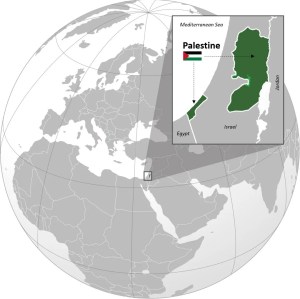
Who owned the land first Palestine or Israel
The question of who owned the land first Israel or Palestine is not just about history. It brings up strong feelings and different opinions. This region, known as Israel and Palestine, has a long history filled with stories, conflicts, and cultural ties that go back thousands of years. Let’s explore the complex history, cultural claims, and ongoing effects of this issue.
Historical Timeline: Who Owned the Land First, Israel or Palestine?
To truly understand the question of land ownership , Who Owned the Land First, Israel or Palestine? we must first explore the historical timeline of the region. This context will help illuminate the complex narratives and claims held by both sides.
Ancient Civilizations:
- Canaanites: The earliest known inhabitants of the land were the Canaanites, who established city-states around 3000 BCE. Their presence laid the groundwork for the region’s diverse cultural landscape.
- Israelite Kingdoms: Around 1200 BCE, the Israelites emerged as a distinct group, establishing the kingdoms of Israel and Judah. This time is key for Jewish identity because of stories about King David and Solomon’s Temple in the Bible.
Roman and Byzantine Periods:
- Roman Conquest: In 63 BCE, the Roman Empire took control, leading to significant Jewish revolts. In 70 CE, the Romans destroyed the Second Temple, leading to widespread Jewish dispersion known as the Diaspora.
- Byzantine Rule: After the fall of the Western Roman Empire, the Eastern Roman Empire (Byzantium) maintained control. During this period, Christianity began to take root, altering the religious landscape of the region.
Arab Conquest and Islamic Era:
- Early Islamic Period: In the 7th century, Arab forces conquered the region, introducing Islam. During this time, Jerusalem became a major Islamic holy site. People built the Al-Aqsa Mosque and the Dome of the Rock, which made Jerusalem an important Islamic holy site.
- Ottoman Empire: From the 16th century until World War I, the Ottomans ruled the region. During this time, both Jewish and Arab communities coexisted, with varied degrees of tension.
British Mandate and Conflict:
- British Mandate: Following World War I, the League of Nations granted Britain the mandate over Palestine. The Balfour Declaration of 1917 expressed support for a Jewish homeland, increasing tensions between Jewish and Arab populations.
- UN Partition Plan: In 1947, the United Nations proposed partitioning Palestine into Jewish and Arab states. Jewish leaders accepted the plan, but Arab leaders rejected it, leading to conflict.
Competing Claims to the Land: Who Owned the land First Israel or Palestine?
The Israeli Perspective on who has the land first Israel or Palestine
- Historical Connection: Many Israelis argue that their connection to the land is historical and biblical. They mention the ancient kingdoms of Israel and Judah and point out that Jews have always lived in places like Jerusalem.
- Zionist Movement: The late 19th-century Zionist movement aimed to establish a Jewish homeland, especially after the Holocaust. This led to increased immigration and the establishment of the State of Israel in 1948. The late 19th-century Zionist movement aimed to create a Jewish homeland, especially after the terrible events of the Holocaust.
- Security Concerns: Many Israelis view the establishment of their state as a necessary refuge from anti-Semitism and persecution, particularly in Europe. The 1948 Arab-Israeli War and subsequent conflicts have reinforced these security concerns.
The Palestinian Perspective on on who has the land first Israel or Palestine
- Indigenous Claims: Palestinians view themselves as the indigenous people of the land, having lived there for centuries. They emphasize their deep cultural and historical ties to the region, including traditional farming and community practices.
- Displacement and the Nakba: In 1948, Israel’s creation displaced about 700,000 Palestinians, called the Nakba, meaning catastrophe. This has become a central part of Palestinian identity and narrative.
- Occupation and Settlements: Palestinians see the West Bank occupation and settlements as illegal and a rights violation. This has fueled ongoing resentment and conflict.
Cultural and Religious Significance: Israel vs. Palestine
To truly understand the question of land ownership Who Owned the Land First Israel or Palestine? we must first explore the historical timeline of the region. The land is deeply significant for both Jews and Palestinians, deepening their competing claims.
For Jews:Who Owned the Land First, Israel or Palestine?
- Historical Sites: Jerusalem has important religious sites, including the Western Wall, the last remnant of the Second Temple. This city is central to Jewish identity, religion, and history.
- Cultural Revival: Israel’s founding revived Jewish culture and language after centuries of exile.
For Palestinians:Who Owned the Land First, Israel or Palestine?
- Cultural Heritage: Palestinians have a rich culture tied to the land, with traditional music, dance, and cuisine.
- Religious Sites: For Muslims, Jerusalem is the third holiest city, home to Al-Aqsa Mosque and the Dome of the Rock. These sites are pivotal in Islamic history and identity.
Current Conflicts and Challenges: Who Owned the Land First, Israel or Palestine
The debate over land ownership continues to shape current events in the region. Here are some pressing issues:
Ongoing Conflict:
- Intifadas: Palestinian uprisings, known as Intifadas, have erupted in response to occupation and settlement policies. These movements highlight the deep frustrations and aspirations for independence among Palestinians.
- Peace Processes: Numerous peace negotiations, including the Oslo Accords, have taken place. These efforts often stall due to disputes over borders, Jerusalem, and Palestinian refugees’ right to return.
Human Rights Concerns
- Living Conditions: Many Palestinians, especially in the Gaza Strip, face tough living conditions due to blockades and economic hardships. Reports of human rights violations have drawn international attention.
- Security Measures: Israel maintains that its security measures, including checkpoints and the separation barrier, are necessary to protect its citizens from violence. However, many view these measures as oppressive and detrimental to Palestinian life.
Possible Paths Forward
While the question of who owned the land first Israel or Palestine remains contentious, exploring potential pathways to peace is crucial.
Dialogue and Education
Encouraging open dialogue between both sides can foster understanding. Education about each group’s history and narrative is vital in breaking down stereotypes and building empathy.
International Involvement
Balanced international mediation can help facilitate discussions and promote peace initiatives. It’s vital that this involvement respects both narratives and addresses the concerns of Israelis and Palestinians.
Two-State Solution
Many advocate for a two-state solution, envisioning independent Israeli and Palestinian states coexisting peacefully. While this idea faces numerous obstacles, it remains a focal point for many in the international community.
Conclusion: Who Owned the Land First, Israel or Palestine?
The question of land ownership between Israel and Palestine Who Owned the Land First Israel or Palestine? Is complex, rooted in history, identity, and strong emotions. Both sides hold legitimate claims and narratives that we must recognize for meaningful dialogue to occur. To shape a hopeful future for both Israelis and Palestinians, we must promote understanding, compassion, and peace.
What are your thoughts on this ongoing debate? Please share your perspective—it truly matters!